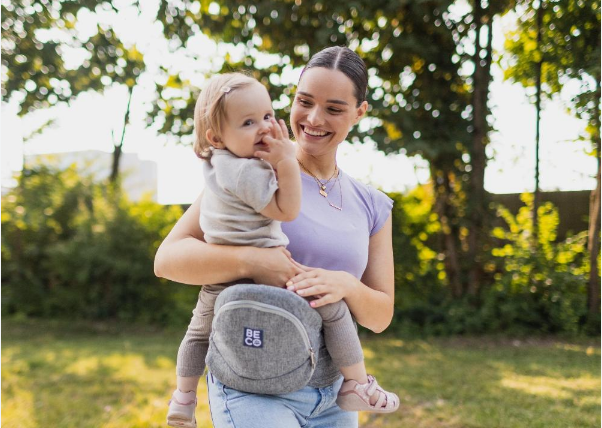
Babies and toddlers love to be carried on the hip and it's a position that caregivers naturally use. But it can be shocking for your posture, your child feels heavier and it's not great for longer carrying times. So it's not surprising that parents are eager to find alternatives that offer more support and are easy to use.
Carrier Assist versus a hands free carrier
Some hip carriers are genuinely hands free and an excellent, safe alternative to a buckle carrier or wrap. But the majority of hip carriers shown on social media are not hands free and are unsafe if used that way. We call those type of carriers a CARRIER ASSIST - that is they are used to assist the carrying adult but the adult still needs to be supporting the child to be held safely in or on the carrier.
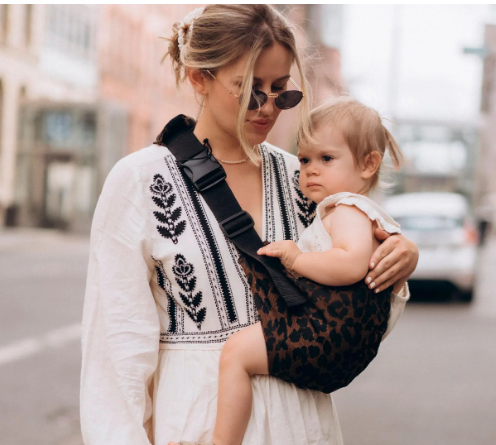
Fall risk is a much bigger concern than the usual suffocation risk with these type of carriers and should still be at top of mind for caregivers when choosing and using a hip carrier.
So let's review the different types of hip carriers and what they offer parents:
1. Hands Free Hip Carriers
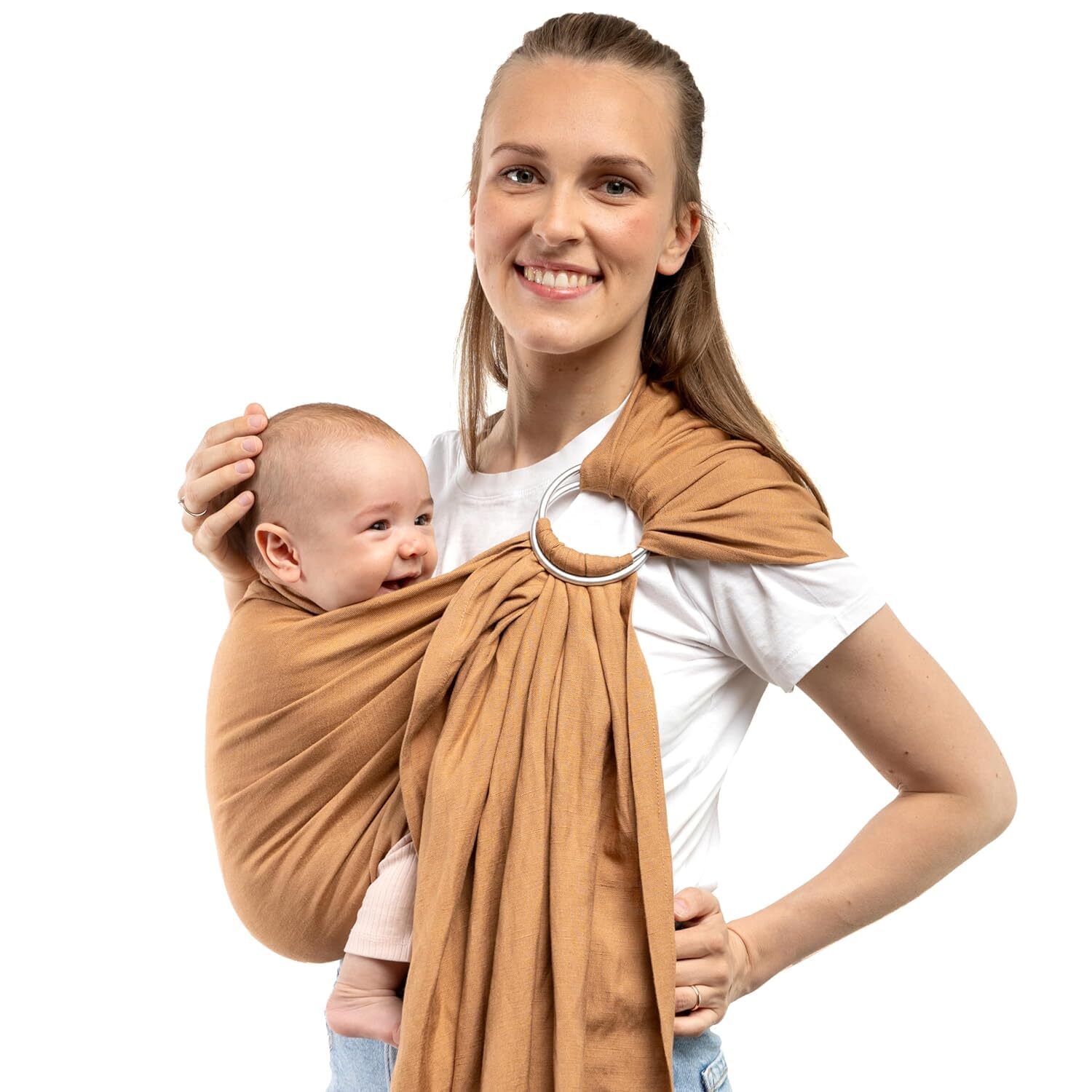
Ring Sling - HANDS FREE
Ring slings are an approx 1.8m long piece of fabric with 2 metal rings sewn onto one end. The rings are used to tighten and lock the fabric to the length needed and to secure the child to the parent. Babywearing Consultants highly rate ring slings for being ergonomic for baby and genuinely hands free.
- Ring Slings can be used from newborn to toddler
- They can be tightened to the correct size for child
- Available in many brands, fabrics, prices
- May be used for sleeping provided the sling is used in the upright position, child is continually monitored, chin is off chest, babies face is clear - ie TICKS guidelines followed.
- A little bit of learning needed, particularly to thread the sling and tighten securely - see our tiktok or instagram page for simple tutorials
- Can be seen as 'hard to learn' but this is usually not the case and there is plenty of help available
- Quality brands in New Zealand are Boba, Lenny Lamb, Neko, Didymos, Kokadi, Fidella, Chekoh.
Buckle Hip Carriers - HANDS FREE
There are a small number of hip carriers that buckle closed but offer a similar fit to a ring sling. The best one we have found is the Lenny Lamb Hip Carrier, and it can also be used as twin carrier with two of these used together.
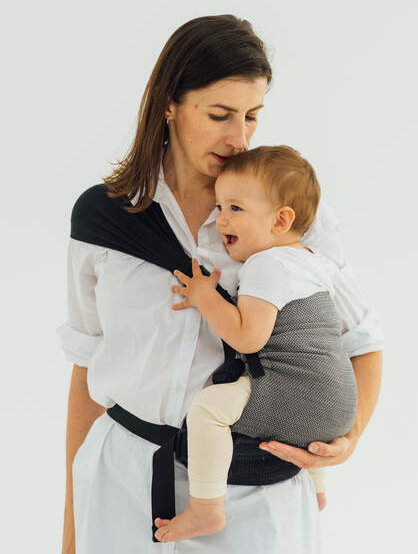
Many buckle carriers, meh dai or half buckle carriers can also be adapted to use as a hip carrier. These are most comfortable where the straps are soft and not bulky. Basically any buckle carrier where the straps unclip from the main panel can be used this way - ask your local babywearing consultant to show you how if your instructions don't cover this.
- Age will depend on the carrier
- They can be tightened to the correct size for child, particularly meh dai or half buckle options
- Available in many brands, fabrics, prices
- May be used for sleeping provided the carrier is used in the upright position, child is continually monitored, chin is off chest, babies face is clear - ie TICKS guidelines followed.
- Very simple to use if choosing the Lenny Lamb Hip Carrier or another dedicated hip carrier
- Using a carrier adapted to hip carrier is still quite easy to learn from a babywearing consultant or video
- This is a great alternative to forward facing when baby is still too little or for parents not confident with back-carrying.
Pouch Sling - MAY BE HANDS FREE IF SIZE IF CORRECT
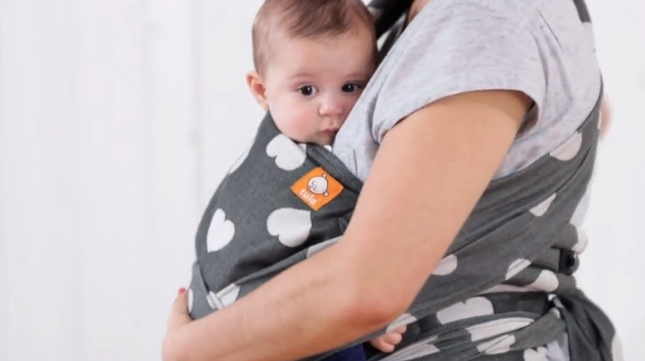
This is a closed loop of fabric, usually a non-stretch cotton fabric. These are less popular now but are an excellent carrying option. The main issue is the loop is sized, you need the correct size for your body not the size of your child.
- Each caregiever needs a pouch sling for their specific size, it's not easy to share across adults unless they are the same size
- Pouch Slings are not adjustable to child's or adult's size
- They are very simple to use for hip or off-centre carrying
- Pouch Slings are worn with the shoulder flipped to tighten the carrier
- Less common now but may be found second-hand, Be wary of cheap online versions where the sizing and instructions may be unsafe.
- Be very wary of stretch fabric versions which still must be sized correctly to be worn safely. The Hippy Joey from the USA is an good carrier when correctly sized. The copycat versions are not safe
- May be used for sleeping provided the sling is used is the correct size and always used with baby upright, child is continually monitored, chin is off chest, babies face is clear - ie TICKS guidelines followed.
- These can be hands free PROVIDED THE SLING IS THE CORRECT SIZE
- Only use in the upright position, please ignore any outdated and unsafe instructions to use with baby horizontal.
2. Carrier Assist options:
Toddler Hip Swing / Sling style - CARRIER ASSIST ONLY
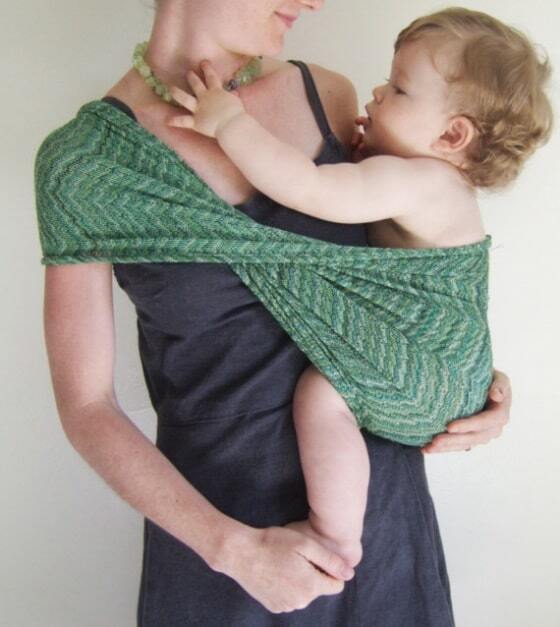
Social media had made this style of carrier hugely popular as they look both stylish and simple to use...the holy grail of baby carriers! However these are not at all hands free and are often used in a way that is either unsafe or uncomfortable. They are also only suitable for short carries - originally designed for the up and down nature of carrying toddlers. They can walk...up to a point. They want to be carried....then immediately want to get down!
- Adjustable but best worn with buckles locked (threaded through the second buckle under the main buckle)
- Can be used by adults of different sizes if you adjust first
- Definitely not hands free - avoid any brands showing hands free as this is not safe
- You may find it more comfortable worn slightly off-centre rather than right on your hip
- Several quality brands available in New Zealand - Boba Buddy, Neko Up & Down, ergoBaby Upsie, Wildride
- Be wary of brands selling cheap knock-offs and those using scam marketing tactics
- Look for brands with safety testing
- Not suitable for sleeping
- Suitable from a minimum of about 9 months, child has to be independently sitting with good core strength
Toddler Hip Seat - CARRIER ASSIST ONLY
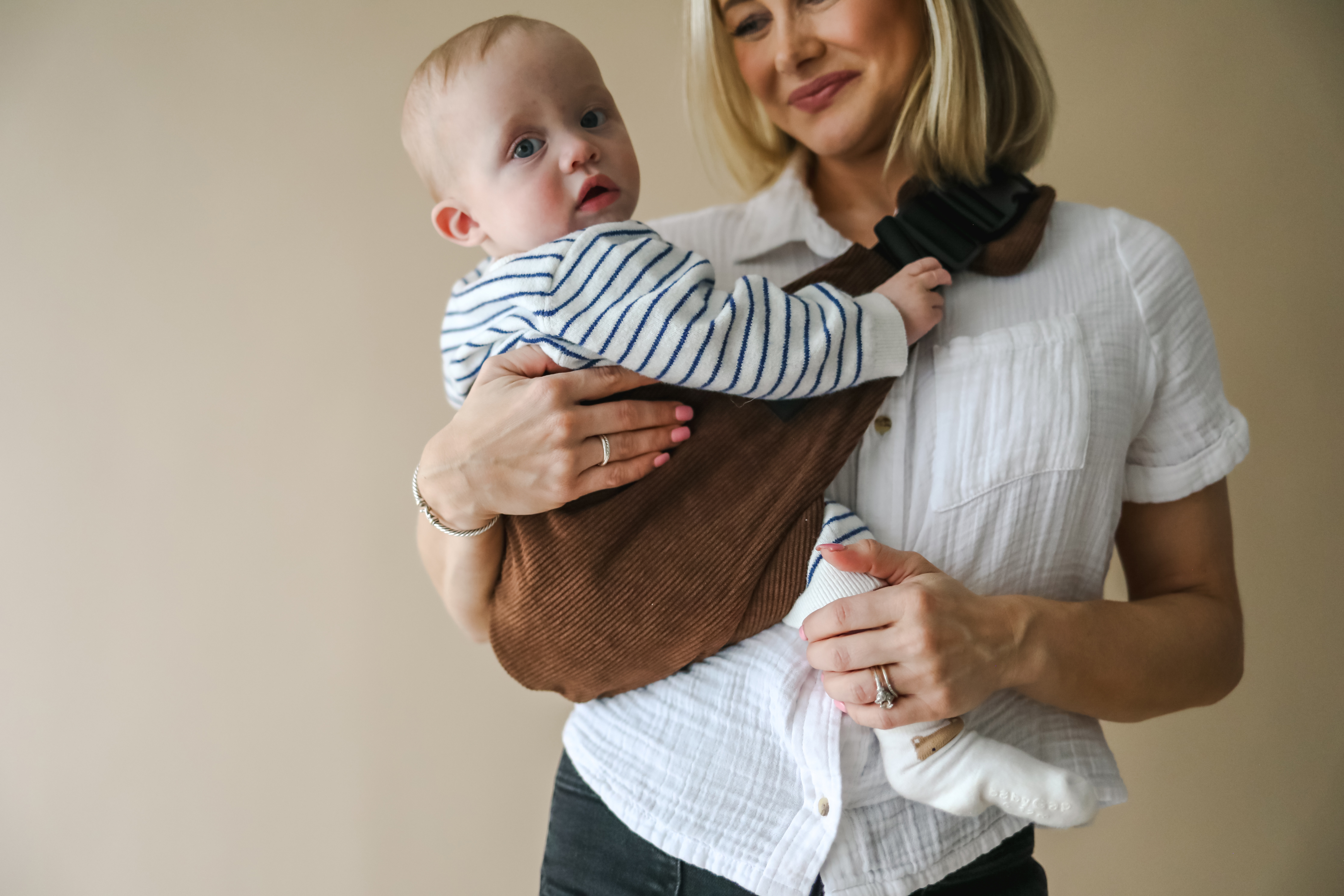
This style was popular back in the early 2000's and has had another surge in popularity. The original style and some current ones are a hard piece of foam the child sits on, where as some current models like the beco Hip Seat flip down when not in use. There are also versions with a velcro or zip-on carrier panel and straps such as the ergobaby Alta. The basic hip seat is very easy to use - just velcro round your waist and lift child onto the seat. Like the swing style hip carriers, these are not at all hands free. They are most suitable for short carries - originally designed for the up and down nature of carrying toddlers. They can walk...up to a point. They want to be carried....then immediately want to get down!
- Adjustable by velcro to the waist size needed. Check the maximum waist measurement if you are plus size as most go to a maximum of approx 115cm.
- Definitely not hands free
- Quality brands available in New Zealand - Beco, Hippychick, ergobaby Alta (can be used with straps & panel), Hackerlily
- Be wary of brands selling cheap knock-offs and those using scam marketing tactics
- Look for brands with safety testing
- Not suitable for sleeping child
- Suitable from a minimum of about 9 months if using just the hipseat, child has to be independently sitting with good core strength
- For versions with panel and straps - not suitable until at least 6-9 months. They are impossible to achieve an ergonomic M position that supports young babies hips in a safe position. They can also tilt the spine inwards rather than a gentle and natural curve. Do not use with younger babies.